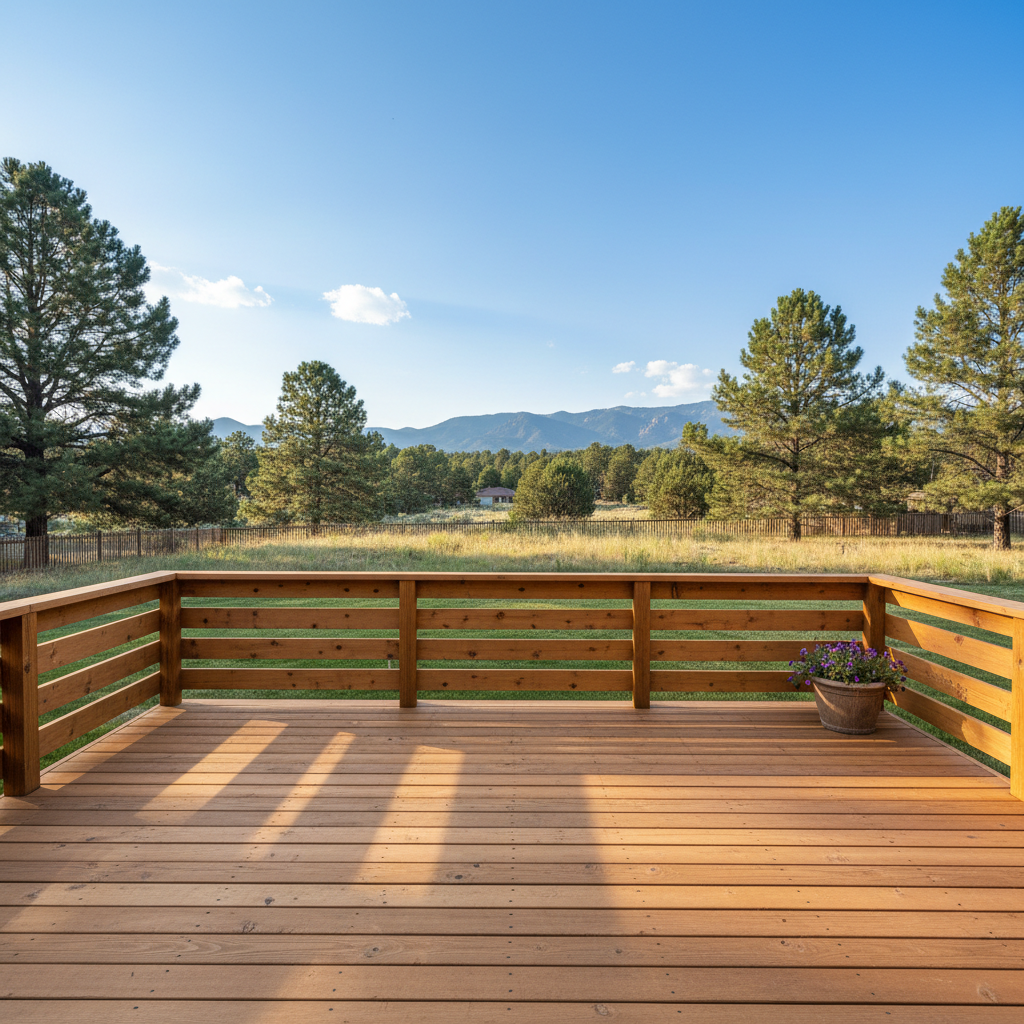
So, you've got a wooden deck, huh? That's great! It's an awesome extension of your home, a perfect spot for those summer evenings or even just a quiet morning with coffee. But let's be real, out here in Littleton, our decks don't exactly have it easy. The sun's intense, we get dry spells, then snow, then more sun – it's a constant cycle that can really wear down wood if you're not paying attention. I've seen too many decks that could've lasted years longer with just a little TLC. My goal here is to give you the straight scoop on keeping your wooden deck in top shape, extending its life, and spotting trouble before it gets expensive.
Why Our Colorado Climate Is Tough on Decks
First off, let's talk about why deck maintenance isn't just a suggestion around here; it's a necessity. Our high altitude means more intense UV rays, which just bake the moisture right out of wood. This causes it to dry out, crack, and splinter faster than in other places. Then you've got the freeze-thaw cycles. Water gets into tiny cracks, freezes, expands, and makes those cracks bigger. Do that enough times, and you're looking at serious wood damage. We also get those big snowfalls, and a heavy, wet blanket of snow sitting on your deck for weeks can lead to moisture problems and even rot if the wood isn't properly protected. Even in areas like the older homes around Bow Mar, where you might have some mature trees providing shade, the temperature swings are still a huge factor.
Your Regular Deck Maintenance Checklist
Keeping your deck healthy isn't rocket science, but it does take consistency. Here's what I tell folks:
- Clean it Annually (or Bi-Annually): You've got to get the grime off. Dirt, pollen, leaves, and even mildew can trap moisture against the wood, which is a recipe for rot. A good scrub with a deck cleaner and a stiff brush works wonders. You can use a pressure washer, but be super careful. Too much pressure can actually damage the wood fibers, especially on softer woods like cedar. If you do use one, keep the nozzle moving and use a wide fan tip.
- Inspect for Damage: This is a big one. After you clean it, really look at your deck. Check for loose boards, popped nails or screws, splinters, and cracks. Pay close attention to the joists and support posts underneath – that's where structural problems often start. Look for any signs of insect activity, like small holes or sawdust trails.
- Reapply Sealant or Stain: This is your deck's sunscreen and raincoat. Depending on the product you used, you'll need to reapply a quality water repellent or stain every 1-3 years. This protects the wood from UV damage and moisture absorption. If water doesn't bead up on the surface anymore, it's definitely time.
- Clear Debris Regularly: Don't let leaves, pine needles, or snow sit on your deck for extended periods. They trap moisture and can lead to staining and even rot. A quick sweep or shovel after a storm goes a long way.
Warning Signs Your Deck Needs Attention
Sometimes your deck will tell you it's in trouble; you just need to know what to listen for. Here are some red flags:
- Soft Spots or Spongy Wood: If you step on a board and it feels soft or gives way a little, that's a serious sign of rot. Don't ignore it.
- Deep Cracks or Splitting: Small surface cracks are normal, but deep, long cracks can compromise the board's strength. Splitting wood can also be a hazard for bare feet.
- Loose Railings or Wobbly Posts: Safety first, folks. If your railings aren't solid, or if the posts supporting your deck feel loose, you've got a structural issue that needs immediate attention.
- Fungus or Mold Growth: Black, green, or white patches of growth indicate excessive moisture. While surface mold can often be cleaned, persistent growth can mean rot is setting in.
- Fasteners (Nails/Screws) Popping Out: This happens as wood expands and contracts. A few here and there might just need to be re-secured, but if it's widespread, it could mean the wood is deteriorating or the deck wasn't properly built to begin with.
- Discoloration or Graying: While some graying is natural aging, excessive graying often means the wood's protective finish has worn off, leaving it exposed to the elements.
When to Call a Professional (Like Us at Mountain Deck)
Look, I'm all for DIY, but there are times when you really need to bring in the pros. If you see any of those serious warning signs – widespread rot, significant structural issues, or if you're just not comfortable tackling a repair yourself – that's when you give us a call. Don't wait until a small problem turns into a major safety hazard or a full deck replacement. We can assess the damage, recommend the best course of action, and make sure your deck is safe and sound for your family. Sometimes it's a simple repair, other times it's more involved, but getting an expert opinion early can save you a lot of headache and money down the road.
Taking care of your wooden deck isn't just about making it look pretty; it's about protecting your investment and ensuring the safety of everyone who uses it. A little effort each year goes a long, long way in our tough Colorado climate.